
Respiratory Issues in Dogs: Dog Respiratory Issues Symptoms, Dog Respiratory Issues Causes & Dog Respiratory Issues Treatment
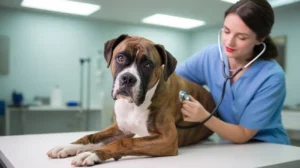
Respiratory issues in dogs are serious conditions that affect a dog’s ability to breathe properly. When respiratory issues in dogs appear suddenly or gradually, they can signal infections, allergies, overheating, parasites, anatomical problems, or underlying health disorders. Understanding respiratory issues in dogs, learning dog respiratory issues symptoms, identifying dog respiratory issues causes, and knowing dog respiratory issues treatment options is critical for every pet owner.
1. Respiratory Issues in Dogs: What Respiratory Issues in Dogs Look Like
Respiratory issues in dogs can appear in subtle or severe patterns depending on the cause. Dogs may breathe heavily, cough, struggle to inhale, or appear panicked.
Common signs:
-
Rapid breathing
-
Labored breathing
-
Persistent coughing
-
Wheezing
-
Excessive panting
-
Nasal discharge
-
Open-mouth breathing
Any breathing difficulty should be considered an emergency.
2. Respiratory Issues in Dogs: Dog Respiratory Issues Causes
Respiratory issues in dogs develop when airway passages, lungs, or nasal structures become inflamed, obstructed, or infected.
Common causes include:
-
Viral infections
-
Bacterial infections
-
Allergies
-
Heatstroke
-
Heart disease
-
Parasites
-
Obstruction
-
Collapsed trachea
Identifying the cause helps determine proper treatment.
3. Respiratory Issues in Dogs: Dog Respiratory Issues Related to Allergies
Allergies are one of the most common triggers of respiratory issues in dogs. Allergic inflammation can affect the airways, causing coughing, sneezing, or wheezing.
Allergy signs:
-
Paw licking
-
Ear shaking
-
Sneezing
-
Red eyes
-
Itchy skin
Internal Links for Allergy Symptoms:
https://petremedyhub.com/dog-licking-paws-excessively/
https://petremedyhub.com/dog-shaking-head-and-scratching-ears/
Allergies often appear alongside respiratory irritation.
4. Respiratory Issues in Dogs: Dog Respiratory Issues from Heatstroke
Heatstroke is a dangerous cause of respiratory issues in dogs. Overheating rapidly increases breathing rate and can cause lung distress.
Heat-related respiratory signs:
-
Extreme panting
-
Thick saliva
-
Collapsing
-
Confusion
-
Vomiting
Internal Link:
Place here to connect heat-related breathing distress:
https://petremedyhub.com/heatstroke-in-dogs/
5. Respiratory Issues in Dogs: Dog Respiratory Issues Caused by Anxiety
Anxiety can mimic respiratory issues in dogs. Dogs breathe faster and may appear distressed during stress episodes.
Anxiety-triggered breathing issues:
-
Rapid shallow breathing
-
Panting indoors
-
Pacing
-
Trembling
Internal Link:
https://petremedyhub.com/natural-ways-to-reduce-dog-anxiety-at-home/
6. Respiratory Issues in Dogs: Dog Respiratory Issues from Digestive Distress

Digestive issues sometimes lead to respiratory issues in dogs because discomfort causes panting, anxiety, and restlessness.
Digestion-linked breathing difficulty:
-
Nausea
-
Gas
-
Diarrhea
-
Abdominal pressure
-
Dehydration
Internal Link Options:
https://petremedyhub.com/dog-has-diarrhea-but-acting-normal/
https://petremedyhub.com/why-is-my-dog-eating-grass/
7. Respiratory Issues in Dogs: Dog Respiratory Issues Caused by Parasites
Parasites like lungworms or heartworms can severely impact respiration.
Parasitic respiratory symptoms:
-
Persistent cough
-
Weight loss
-
Exercise intolerance
-
Wheezing
Internal Link:
https://petremedyhub.com/worms-in-stool/
Parasite infections may affect the lungs and digestive system simultaneously.
8. Respiratory Issues in Dogs: Respiratory Infections in Dogs
Respiratory infections in dogs are among the most common causes of breathing difficulties.
Respiratory infections include:
-
Kennel cough
-
Pneumonia
-
Canine influenza
-
Distemper
Symptoms vary from mild coughing to life-threatening pneumonia.
DoFollow Veterinary Resource:
https://www.avma.org/search?search=canine+influenza
9. Respiratory Issues in Dogs: Dog Respiratory Issues from Environmental Irritants
Environmental triggers can quickly lead to respiratory issues in dogs.
Environmental irritants include:
-
Smoke
-
Dust
-
Chemicals
-
Air pollution
-
Cleaning agents
Minimizing exposure reduces breathing problems.
10. Respiratory Issues in Dogs: Dog Respiratory Issues Caused by Structural Problems
Certain breeds are predisposed to structural airway issues, especially brachycephalic (flat-faced) dogs.
Structural causes:
-
Collapsed trachea
-
Elongated soft palate
-
Stenotic nares
-
Laryngeal paralysis
This is common in Bulldogs, Pugs, and Boxers.
11. Respiratory Issues in Dogs: Dog Respiratory Issues Treatment Options
Dog respiratory issues treatment depends on the source of the problem.
Treatment options include:
-
Antibiotics or antivirals
-
Steroids for inflammation
-
Bronchodilators
-
Oxygen therapy
-
Nebulization
-
Parasite preventatives
-
Surgery (for structural issues)
-
Cooling and hydration (for heat-related issues)
DoFollow Medical Resource:
https://www.petmd.com/search?keys=dog%20respiratory%20issues#search-results
12. Respiratory Issues in Dogs: When Dog Respiratory Issues Become Emergencies
Respiratory issues in dogs require emergency care when they interfere with breathing.
Emergency signs:
-
Gasping
-
Blue gums
-
Sudden collapse
-
Foaming at mouth
-
Inability to stand
-
Extreme lethargy
Internal Link:
Tie to overheating emergency symptoms:
https://petremedyhub.com/heatstroke-in-dogs/
Immediate oxygen support is required for severe cases.
Disclaimer
The information provided by Pet Remedy Hub is for educational purposes only and is not intended to replace professional veterinary diagnosis, treatment, or advice. Always consult a licensed veterinarian if your dog is experiencing respiratory issues, difficulty breathing, persistent coughing, wheezing, collapse, or sudden behavioral changes. Breathing-related conditions can be life-threatening and require immediate medical care.
Pingback: 7 Effective Tips on How to Stop a Dog From Barking at Night