
How to Stop a Dog From Barking at Night: Stop Night Barking in Dogs, Stop Dog Barking at Night & Nighttime Dog Barking Fixes
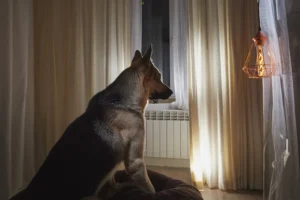
How to stop a dog from barking at night is one of the most urgent challenges dog owners face. Night barking disrupts sleep, stresses households, and often signals deeper behavioral, emotional, or medical issues. Understanding how to stop a dog from barking at night, why dogs bark at night, and how to stop night barking in dogs naturally is essential for restoring peace and supporting your dog’s wellbeing.
1. How to Stop a Dog From Barking at Night: Why Dogs Bark at Night
Before learning how to stop a dog from barking at night, you must understand the cause. Dogs communicate through barking, and nighttime heightens their sensory awareness.
Common nighttime triggers:
-
Anxiety or separation stress
-
Digestive discomfort
-
Allergies
-
Outside noises
-
Parasites
-
Lack of exercise
-
Hunger or boredom
-
Pain or illness
Nighttime is quiet, which makes dogs more reactive to subtle disturbances.
2. How to Stop a Dog From Barking at Night: Anxiety-Driven Night Barking
One of the most common reasons dogs bark at night is anxiety, especially separation anxiety or nighttime stress.
Signs your dog is barking due to anxiety:
-
Whining before barking
-
Pacing or panting at night
-
Restlessness
-
Clinginess in the evening
Internal Link:
Use this when explaining anxiety behaviors:
https://petremedyhub.com/natural-ways-to-reduce-dog-anxiety-at-home/
Stopping anxiety often stops nighttime barking entirely.
3. How to Stop a Dog From Barking at Night: Digestive Issues Causing Night Barking
Digestive discomfort can quickly trigger night barking because dogs often feel the discomfort more intensely while lying still.
Digestive symptoms linked to night barking:
-
Loose stool
-
Gas
-
Nausea
-
Swallowing or drooling
-
Whining after eating
Internal Link:
Use in this section:
https://petremedyhub.com/dog-has-diarrhea-but-acting-normal/
Digestive discomfort often intensifies during nighttime rest.
4. How to Stop a Dog From Barking at Night: Allergies or Ear Irritation
Dogs struggling with nighttime allergies or irritation often bark or whine because discomfort increases while settled.
Common nighttime irritations:
-
Paw itching
-
Ear shaking
-
Skin irritation
-
Scratching
Internal Links:
Paw irritation:
https://petremedyhub.com/dog-licking-paws-excessively/
Ear irritation:
https://petremedyhub.com/dog-shaking-head-and-scratching-ears/
Nighttime stillness can make itching or irritation feel more intense.
5. How to Stop a Dog From Barking at Night: Parasites Causing Restless Night Barking
Parasites often trigger nighttime discomfort that leads to barking.
Symptoms of parasite-related barking:
-
Scooting
-
Restless pacing
-
Itching
-
Abdominal discomfort
Internal Link:
Parasite irritation section:
https://petremedyhub.com/worms-in-stool/
Parasites frequently cause nighttime agitation.
6. How to Stop a Dog From Barking at Night: Overheating and Heat Discomfort

Dogs may bark at night when they feel overheated or uncomfortable.
Heat-related signs:
-
Constant panting
-
Changing sleep positions
-
Seeking cold surfaces
-
Night whining or barking
Internal Link:
Use in heat-related discomfort section:
https://petremedyhub.com/heatstroke-in-dogs/
Dogs regulate temperature poorly at night in warm rooms.
7. How to Stop a Dog From Barking at Night: Environmental Noise Triggers
Dogs hear far better than humans and react to nighttime sounds such as:
-
Wildlife
-
Car doors
-
Wind
-
People walking
-
Distant dogs barking
Nighttime amplifies environmental sensitivity.
8. How to Stop a Dog From Barking at Night: Hunger or Poor Appetite
If a dog doesn’t eat well during the day, they may bark at night due to hunger.
Warning signs:
-
Eating only treats
-
Leaving meals unfinished
-
Restless pacing before bed
Internal Link:
Nighttime hunger:
https://petremedyhub.com/poor-appetite-in-dogs/
Hunger is an underrated cause of nighttime barking.
9. How to Stop a Dog From Barking at Night: Nausea & Grass-Eating Behavior
Nausea, especially common in the evening, can trigger nighttime barking.
Signs of nausea before barking:
-
Eating grass earlier
-
Excessive swallowing
-
Drooling
-
Refusing dinner
Internal Link:
https://petremedyhub.com/why-is-my-dog-eating-grass/
Evening nausea frequently disrupts sleep.
10. How to Stop a Dog From Barking at Night: Behavioral Solutions That Work
Effective techniques for how to stop a dog from barking at night include:
Behavioral strategies:
-
Establish a bedtime routine
-
Provide evening enrichment
-
Increase late-day exercise
-
Use a calming environment
-
Desensitize nighttime noises
-
Teach the “quiet” command
-
Use white noise or fans
DoFollow External Resource:
https://www.humaneworld.org/en/search?keys=stop+dog+from+barking
Consistency is key to reducing nighttime barking.
11. How to Stop a Dog From Barking at Night: When Night Barking Is a Medical Issue
Sometimes barking at night is your dog’s way of alerting you to a medical problem.
Medical concerns linked to night barking:
-
Respiratory difficulty
-
Pain
-
Allergies
-
Infection
-
Gastrointestinal distress
Internal Link:
https://petremedyhub.com/respiratory-issues-in-dogs/
Medical night barking should always be evaluated.
12. How to Stop a Dog From Barking at Night: When to Seek Veterinary Help
You should seek veterinary help if your dog:
-
Suddenly begins barking at night without cause
-
Shows signs of pain
-
Has trouble breathing
-
Has digestive issues
-
Shows parasite symptoms
-
Exhibits unusual anxiety
Night barking can be the first visible sign of a health problem.
Disclaimer
The information provided by Pet Remedy Hub is for educational purposes only and should not replace professional veterinary advice. Always consult a licensed veterinarian if your dog shows persistent nighttime barking, signs of pain, digestive distress, respiratory issues, anxiety, or sudden behavioral changes. Never rely solely on online information for diagnosis or treatment.