
Why Does My Dog Pull on the Leash? Dog Leash Pulling Causes, Dog Leash Pulling Training, and Dog Leash Pulling Solutions
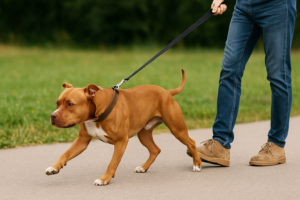
Why does my dog pull on the leash? Dog leash pulling is one of the most common and frustrating behaviors for owners. When a dog pulls on the leash, the walk becomes tense, uncomfortable, and stressful. Understanding why your dog pulls on the leash, the behavioral causes of dog leash pulling, and the training methods that stop dog leash pulling is essential for safer and calmer walks.
1. Why Does My Dog Pull on the Leash? Understanding Dog Leash Pulling Behavior
Why does my dog pull on the leash? Dog leash pulling begins because dogs naturally move faster than humans. Dog leash pulling is instinctual—dogs want to explore, chase scents, greet people, and reach destinations quickly. While your dog is not misbehaving intentionally, leash pulling can become a habit if not addressed early.
Signs your dog may pull:
-
Constant tension on the leash
-
Lunging toward smells, dogs, people
-
Pulling harder when excited
-
Ignoring verbal cues on walks
2. Why Does My Dog Pull on the Leash? High Energy and Excitement
One of the most common reasons a dog pulls on the leash is excess energy. High-energy dogs naturally move faster than their owners and pull forward to release pent-up energy.
Breeds most likely to pull:
-
Huskies
-
Labs
-
Shepherds
-
Pit Bulls
-
Sporting breeds
If your dog doesn’t get enough exercise, leash pulling will increase.
DoFollow External Resource:
https://www.avma.org/resources/pet-owners/petcare/exercising-your-pet
3. Why Does My Dog Pull on the Leash? Lack of Loose-Leash Training
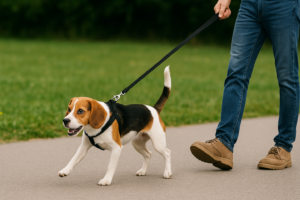
Dog leash pulling occurs because most dogs simply have never been taught how to walk beside a person. Loose-leash walking is a learned skill—not instinct.
Common training gaps:
-
No heel training
-
Inconsistent leash handling
-
Reinforcing pulling by walking forward
-
Inadequate practice in calm environments
Loose-leash training must be deliberate and consistent.
4. Why Does My Dog Pull on the Leash? Natural Scent-Driven Behavior
Why does my dog pull on the leash around the yard or park? Dogs are scent-driven animals. They naturally pull toward interesting smells—grass, fire hydrants, trees, other dogs, and countless scent markers.
This is instinctual behavior and not defiance.
Internal Link Suggestion:
When discussing scent-driven behavior, link to Dog Scooting Causes because both involve anal gland scent communication:
https://petremedyhub.com/dog-scoot-why-does-my-dog-scoot/
5. Why Does My Dog Pull on the Leash? Anxiety or Overstimulation
Anxiety and overstimulation cause many dogs to pull on the leash. Walks are full of new noises, people, dogs, and sensations, triggering excitement or stress.
Signs of anxiety pulling:
-
Rapid breathing
-
Tail tucked or stiff
-
Head constantly darting around
-
Whining during the walk
Internal Link:
https://petremedyhub.com/natural-ways-to-reduce-dog-anxiety-at-home/
6. Why Does My Dog Pull on the Leash? Poor Equipment Fit
A dog pulling on the leash can be caused by equipment that encourages pulling.
Poor equipment includes:
-
Standard collars (increase pulling)
-
Retractable leashes (reward pulling)
-
Tight, short leashes
Recommended equipment:
-
Front-clip harness
-
No-pull harness
-
6-foot leash (non-retractable)
A front-clip harness reduces pulling immediately by redirecting forward pressure.
7. Why Does My Dog Pull on the Leash? Reinforcement of Pulling Behavior
Dogs repeat behaviors that are rewarded. If your dog pulls on the leash and you continue walking, your dog learns:
-
Pulling = forward motion
-
Forward motion = reward
This reinforces the pulling habit. To break the cycle, stops must be immediate and consistent.
8. Why Does My Dog Pull on the Leash? Lack of Mental Stimulation
Mental stimulation plays a major role in leash behavior. A bored dog pulls more. A mentally stimulated dog remains calm and focused.
Ways to add mental stimulation:
-
Sniff walks
-
Puzzle feeders
-
Training sessions
-
Interactive toys
Internal Link Suggestion:
https://petremedyhub.com/dog-licking-paws-excessively/
9. Why Does My Dog Pull on the Leash? Medical Issues Affecting Focus
Sometimes a dog pulls on the leash because they’re uncomfortable, itchy, or distracted by pain or irritation.
Examples include:
-
Ear infections
-
Allergies
-
Skin irritation
-
Paw discomfort
Internal Link:
Dog Shaking Head and Scratching Ears as a common distraction trigger:
https://petremedyhub.com/dog-shaking-head-and-scratching-ears/
10. Why Does My Dog Pull on the Leash? Improper Walk Routine
If your dog has diarrhea, stomach discomfort, or irregular bowel movements, they may pull urgently to find a bathroom spot.
Internal Link:
https://petremedyhub.com/dog-has-diarrhea-but-acting-normal/
Dogs often pull hardest when trying to relieve discomfort.
11. Why Does My Dog Pull on the Leash? Solutions and Training Techniques
To stop dog leash pulling, you must replace the pulling habit with calm walking skills.
Effective dog leash training techniques:
-
Stop and Stand Still Method
Stop immediately whenever pulling begins. Only walk when the leash is loose. -
Reward-Based Side Walking
Reward your dog for walking beside you with treats or praise. -
Direction Change Method
Change directions every time your dog pulls. This teaches your dog to pay attention. -
Structured Walks
Begin with disciplined walking before allowing sniffing. -
Training in Low-Distraction Areas
Start at home or in your yard before progressing to busy areas.
Consistency is key—every walk must reinforce the same rules.
12. Why Does My Dog Pull on the Leash? When to Seek Professional Help
If your dog pulls aggressively, lunges, or cannot calm down during walks, a certified trainer or behaviorist may be needed.
Seek help if:
-
Walks are unsafe
-
Your dog pulls stronger over time
-
Your dog is reactive to dogs or people
-
You cannot control your dog physically
Veterinary evaluation may be required for medical-related pulling behaviors.
Internal Linking Map
1. Scent/Anal Gland Section
Link to: Why Does My Dog Scoot?
https://petremedyhub.com/dog-scoot-why-does-my-dog-scoot/
2. Anxiety/Overstimulation Section
Link to: Natural Ways to Reduce Dog Anxiety at Home
https://petremedyhub.com/natural-ways-to-reduce-dog-anxiety-at-home/
3. Stress/Boredom/Behavioral Issues Section
Link to: Dog Licking Paws Excessively
https://petremedyhub.com/dog-licking-paws-excessively/
4. Medical Distraction Section
Link to: Dog Shaking Head and Scratching Ears
https://petremedyhub.com/dog-shaking-head-and-scratching-ears/
5. Discomfort & Bathroom Urgency Section
Link to: Dog Has Diarrhea but Acting Normal
https://petremedyhub.com/dog-has-diarrhea-but-acting-normal/
Disclaimer
The information provided by Pet Remedy Hub is for educational purposes only and does not replace professional veterinary diagnosis, treatment, or behavior evaluation. Always consult a licensed veterinarian or certified dog trainer for concerns about leash pulling, anxiety, or behavior changes. Never rely solely on online information for medical or behavioral decisions.