
Cat Sneezing: Why Is My Cat Sneezing, Causes & Treatment
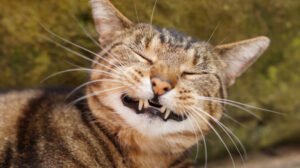
Sneezing in cats is one of the most common symptoms cat owners notice, and it can be alarming when a cat sneezes repeatedly or throughout the day. Understanding why your cat is sneezing, the common causes, and how to treat it at home or with veterinary care is essential for keeping your cat healthy and comfortable.
1. Cat Sneezing a Lot: What Does Excessive Sneezing Look Like?
A cat sneezing a lot means more than an occasional sneeze. Cat sneezing becomes a concern when:
-
The cat sneezes several times in a row
-
Sneezing lasts multiple days
-
Sneezing is wet, loud, or forceful
-
The cat sneezes with nasal discharge
-
The cat sneezes along with coughing or gagging
Frequent sneezing is a symptom, not a diagnosis—your job is to determine what’s triggering the behavior.
If your cat is experiencing frequent episodes of sneezing, known as cat sneezing a lot, it’s important to monitor other symptoms and consult a veterinarian for advice.
2. Cat Sneezing a Lot: Common Reasons Cats Sneeze Frequently
A sneezing cat usually indicates irritation or inflammation inside the nasal passages.
Most common causes:
-
Viral infections
-
Allergies
-
Dust or irritants
-
Nasal dryness
-
Dental disease
-
Foreign objects
-
Fungal infections
-
Environmental triggers
Some causes are mild and temporary, while others require veterinary care.
3. Viral Infections Causing Excessive Sneezing
One of the most common reasons for a cat sneezing a lot is an upper respiratory viral infection.
Viral infections that cause sneezing:
-
Feline herpesvirus (FHV-1)
-
Feline calicivirus (FCV)
-
Chlamydia felis
-
Feline influenza
Symptoms include:
-
Sneezing fits
-
Watery or goopy eyes
-
Nasal congestion
-
Drooling
-
Fever
These viruses spread easily between cats.
DoFollow Veterinary Resource:
https://www.vet.cornell.edu/search/node?keys=cat%20sneezing
4. Allergies and Environmental Sensitivities
Allergies can cause a cat sneezing a lot, especially in sensitive or indoor cats.
Common allergy triggers:
-
Dust
-
Pollen
-
Mold
-
Litter dust
-
Cleaning sprays
-
Laundry detergents
-
Scented candles
Cats with allergies often sneeze in bursts and may show mild itching or watery eyes.
5. Household Irritants Causing Sneezing
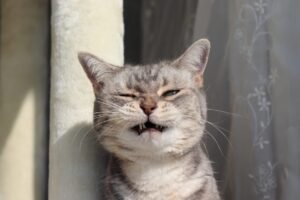
Cats are highly sensitive to airborne irritants, and exposure can make a cat sneezing a lot suddenly.
Irritants include:
-
Cigarette smoke
-
A/C or heating vents
-
Fireplace smoke
-
Perfume
-
Aerosol sprays
-
Dust from renovation
Sneezing improves when the irritant is removed from the environment.
6. Dental Disease Triggering Sneezing
A surprising cause of cat sneezing a lot is dental disease. Upper molar tooth roots sit close to the nasal cavity.
Dental-related symptoms:
-
Sneezing with discharge
-
Bad breath
-
Drooling
-
Facial swelling
-
Reluctance to eat
Dental infections can break into the sinus cavity, causing chronic sneezing.
7. Cat Sneezing a Lot: Foreign Objects in the Nose
A cat sneezing a lot may have inhaled a small object, such as:
-
A blade of grass
-
Dust clump
-
Litter granule
-
Small debris
-
Cat hair
Foreign objects cause sudden, intense sneezing episodes.
If sneezing is violent and repeated, this must be treated by a veterinarian.
8. Nausea, Gagging & Vomiting Alongside Sneezing
Sometimes a cat sneezing a lot accompanies nausea or gagging. Post-nasal drip can irritate the stomach.
Signs of sinus-related nausea:
-
Sneezing followed by gagging
-
Drooling
-
Swallowing frequently
-
Vomiting white foam
Internal Link (use in nausea section):
https://petremedyhub.com/cat-throwing-up-white-foam/
Cats may vomit white foam when mucus runs into the stomach during an upper respiratory episode.
9. Dry Air and Nasal Irritation
Dry indoor air—especially during winter—can make a cat sneezing a lot.
Signs of dryness:
-
Nose cracking
-
Occasional nosebleeds
-
Sneezing when waking up
-
Sneezing after sleeping near vents
Humidifiers often improve symptoms rapidly.
10. Could Food Allergies Be the Cause?
A cat sneezing a lot may be reacting to diet-related allergies. Food allergies can cause systemic inflammation, including sinus irritation.
Symptoms that may accompany sneezing:
-
Itchy skin
-
Ear scratching
-
Gastrointestinal upset
-
Poor appetite
Internal Link:
Use when describing diet-related reactions:
https://petremedyhub.com/can-cats-eat-eggs/
Food-linked irritation can impact respiratory health.
11. When Sneezing Requires a Veterinarian
Cat sneezing a lot must be evaluated by a veterinarian under certain circumstances.
Seek medical care if:
-
Sneezing lasts more than 3 days
-
Nasal discharge becomes yellow/green
-
Cat stops eating
-
Cat becomes lethargic
-
Blood appears when sneezing
-
Labored breathing occurs
-
Eyes become swollen or crusted
Prolonged sneezing can lead to dehydration or secondary infections.
12. Treatment & Prevention of Excessive Sneezing
Treatment for a sneezing cat depends on the cause.
At-home care for mild cases:
-
Use a humidifier
-
Keep dust low
-
Wipe cat’s face gently
-
Switch to a low-dust litter
-
Improve air filtration
-
Provide hydration
-
Keep cat indoors during pollen spikes
Veterinary treatment may include:
-
Antibiotics
-
Antiviral medication
-
Antihistamines
-
Eye drops
-
Dental procedures
-
Nasal cleaning or flushing
Preventing sneezing always starts with identifying the trigger.
Internal Linking
Diet / Food Sensitivity Section
https://petremedyhub.com/can-cats-eat-eggs/
Vomiting / Nausea Section
https://petremedyhub.com/cat-throwing-up-white-foam/
Disclaimer
The information provided by Pet Remedy Hub is for educational purposes only and is not intended to replace professional veterinary diagnosis, advice, or treatment. Always consult a licensed veterinarian if your cat is sneezing frequently, showing nasal discharge, refusing food, vomiting, experiencing breathing difficulty, or displaying sudden behavioral changes. Never rely solely on online guidance for medical decisions.