
Why Is My Dog Eating Grass? Dog Eating Grass Causes, Dog Eating Grass Behavior & Dog Eating Grass Remedies
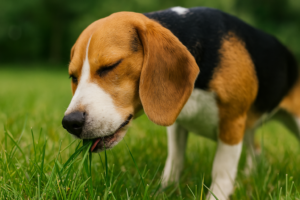
Why is my dog eating grass? Dog eating grass behavior is extremely common, yet many owners are confused or worried when their dog eats grass. When you ask “Why is my dog eating grass?”, it’s important to understand that dog eating grass causes range from natural instincts to nutritional gaps, boredom, anxiety, and digestive discomfort. This guide explains why your dog eats grass, what dog eating grass behavior means, and when to worry.
1. Why Is My Dog Eating Grass? Understanding Dog Eating Grass Behavior
Why is my dog eating grass? Dogs eat grass for several possible reasons, and most of the time, dog eating grass behavior is normal. Some dogs eat grass daily, others only occasionally, but the behavior is instinctive.
Common signs:
-
Sniffing and selecting grass
-
Eating grass but otherwise acting normal
-
Eating grass before vomiting
-
Grazing on grass casually
Dog eating grass behavior doesn’t always signal illness, but it always has an underlying cause.
2. Why Is My Dog Eating Grass? Natural Instinctual Behavior
One of the top answers to “Why is my dog eating grass?” is instinct. Dogs are descendants of wolves, who consumed partially digested plant material from prey stomachs. Eating grass is a natural leftover behavior.
Instinctual reasons:
-
Adding roughage
-
Natural grazing instinct
-
Taste preference
-
Environmental enrichment
This type of dog eating grass is generally harmless.
3. Why Is My Dog Eating Grass? Dog Eating Grass for Digestive Relief
A dog may eat grass to relieve nausea or digestive discomfort. Some dogs vomit after eating grass, though many do not.
Digestive triggers:
-
Mild stomach upset
-
Gas
-
Bloating
-
Eating too fast
-
Empty stomach discomfort
Internal Link:
https://petremedyhub.com/dog-has-diarrhea-but-acting-normal/
4. Why Is My Dog Eating Grass? Dog Eating Grass Because of Nutritional Gaps

Another explanation for “Why is my dog eating grass?” is nutritional deficiency. Dogs lacking fiber or certain vitamins may eat grass to balance their diet.
Possible deficiencies:
-
Fiber
-
Digestive enzymes
-
Minerals
-
Prebiotics
A veterinarian can assess diet quality and fiber needs.
DoFollow External Resource:
https://www.avma.org/search?search=dog+nutrition
5. Why Is My Dog Eating Grass? Dog Eating Grass Due to Anxiety or Stress
Anxiety is one of the most overlooked causes of dog eating grass behavior. Dogs may graze when nervous as a self-soothing habit.
Anxiety triggers:
-
Separation anxiety
-
New environments
-
Visitors
-
Loud sounds
-
Change in household routine
Internal Link Suggestion:
https://petremedyhub.com/natural-ways-to-reduce-dog-anxiety-at-home/
6. Why Is My Dog Eating Grass? Dog Eating Grass from Boredom
Bored dogs often turn to grass eating because it gives them something to do. Lack of stimulation increases undesirable habits like chewing, licking, and grazing.
Signs of boredom grazing:
-
Eating grass calmly
-
Eating grass during slow walks
-
Eating grass in backyard often
Internal Link Suggestion:
https://petremedyhub.com/why-does-my-dog-pull-on-the-leash/
7. Why Is My Dog Eating Grass? Dog Eating Grass Due to Stomach Parasites
Parasites can trigger a dog to eat grass because of intestinal irritation. Parasites are more common than many owners realize.
Possible parasites:
-
Giardia
-
Roundworms
-
Hookworms
-
Whipworms
DoFollow External Medical Resource:
https://search.cdc.gov/search/?query=dog%20parasites&dpage=1
If your dog eats grass excessively and has loose stool, parasites may be the cause.
8. Why Is My Dog Eating Grass? Dog Eating Grass from Allergies
Allergies can cause mouth, throat, or stomach irritation. Dogs may eat grass to experience relief.
Allergy symptoms include:
-
Pale stool or mucus
-
Face rubbing
-
Paw licking
-
Ear scratching
Internal Link:
https://petremedyhub.com/dog-licking-paws-excessively/
And another helpful internal link:
https://petremedyhub.com/dog-shaking-head-and-scratching-ears/
9. Why Is My Dog Eating Grass? Dog Eating Grass Linked to Anal Gland Discomfort
Grass eating can sometimes be connected to anal gland irritation, especially if the dog is trying to trigger a bowel movement.
Signs of anal gland issues:
-
Scooting
-
Straining
-
Fishy odor
-
Excessive licking
Internal Link Suggestion:
https://petremedyhub.com/dog-scoot-why-does-my-dog-scoot/
10. Why Is My Dog Eating Grass? Dog Eating Grass for Sensory Enrichment
Many dogs love the taste and texture of grass. This type of dog eating grass is normal, harmless, and not linked to health issues.
Why dogs enjoy grass:
-
Fresh smell
-
Wet texture
-
Crunchy feel
-
Natural environment stimulation
This is similar to normal grazing behavior.
11. Why Is My Dog Eating Grass? Dog Eating Grass: Safe or Dangerous?
In most cases, eating grass is safe. But certain situations require caution.
Grass eating becomes dangerous when:
-
Grass is treated with pesticides
-
Dog eats large amounts daily
-
Vomiting becomes frequent
-
Dog refuses food
-
Diarrhea begins
-
Lethargy is present
Monitor your dog if any of these signs appear.
12. Why Is My Dog Eating Grass? Dog Eating Grass Treatment & Prevention
You can reduce dog eating grass behavior by targeting the underlying cause.
Effective prevention methods:
-
Increase fiber
-
Improve diet quality
-
Add mental stimulation
-
Reduce stress triggers
-
Provide chew toys
-
Offer slow feeder for meals
-
Use anxiety-reducing strategies
Your veterinarian may recommend diet changes or medical treatment if symptoms persist.
Disclaimer
The information provided by Pet Remedy Hub is for educational purposes only and is not a substitute for professional veterinary diagnosis, treatment, or advice. Always consult a licensed veterinarian if your dog is eating grass excessively, shows signs of stomach distress, discomfort, allergies, or abnormal behavior. Never rely solely on online content for medical decisions.
Pingback: 10 Reasons to Love the Outward Hound Fun Feeder Interactive Dog Bowl