
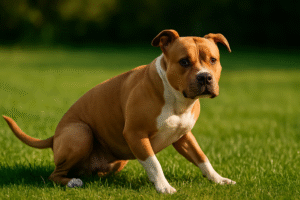
Why Does My Dog Scoot? Understanding Dog Scooting Causes, Dog Scooting Remedies, and Dog Scooting Treatment
Why does my dog scoot? Dog scooting is a behavior every pet owner notices eventually, and when you see your dog dragging its bottom across the floor, it’s natural to wonder what’s causing it. Understanding why your dog scoots, what dog scooting means, and the reasons behind dog scooting nonstop is critical for proper treatment and prevention. This article explains dog scooting causes, dog scooting symptoms, dog scooting remedies, and the exact moment when scooting becomes a medical concern.
1. Why Does My Dog Scoot? Most Common Dog Scooting Causes
Why does my dog scoot? The most common reason is anal gland irritation, but dog scooting can also result from infections, allergies, parasites, and skin inflammation. Scooting is your dog’s attempt to relieve discomfort.
2. Why Does My Dog Scoot? Anal Gland Problems and Full Anal Sacs
One of the top answers to “Why does my dog scoot?” is full or impacted anal glands. Dogs have two small sacs on either side of the anus that produce scent. When the glands become full, blocked, or infected, a dog will scoot to relieve pressure.
Signs of anal gland issues:
-
Constant scooting
-
Fishy odor
-
Licking the rear
-
Difficulty sitting
-
Swelling near the anus
DoFollow External Resource:
https://vcahospitals.com/know-your-pet/anal-sac-disease-in-dogs
https://petremedyhub.com/dog-shaking-head-and-scratching-ears/
3. Why Does My Dog Scoot? Parasites Such as Tapeworms
Another major reason for dog scooting is intestinal parasites, especially tapeworms. These worms attach themselves to the intestinal wall and release segments that irritate the rear, causing your dog to scoot.
Additional parasite signs:
-
Rice-like grains around the anus
-
Weight loss
-
Increased appetite
DoFollow External Link:
https://www.petmd.com/symptom-checker
4. Why Does My Dog Scoot? Allergies and Irritated Skin
Why does my dog scoot when no worms or anal gland issues are present? Allergies may be the cause. Environmental allergies, food allergies, and contact allergies can create inflammation, redness, and itching.
Possible allergy triggers:
-
Pollen
-
Grass
-
Cleaning products
-
Chicken
-
Grain
Internal Link Suggestion:
Link to Why Do Dogs Eat Grass? as dogs with allergies often display multiple symptoms.
5. Why Does My Dog Scoot? Fleas and Flea Allergy Dermatitis
Flea bites, and especially flea allergies, cause intense itchiness along the spine and hindquarters. This irritation often leads to dog scooting or rubbing their rear along floors.
Signs of flea-related scooting:
-
Hair loss near tail base
-
Flea dirt
-
Increased scratching
-
Hot spots
DoFollow External Link:
https://www.petmd.com/dog/conditions/skin/flea-allergy-dermatitis-dogs
6. Why Does My Dog Scoot? Skin Infections and Hot Spots
Skin infections from bacteria or yeast around your dog’s hindquarters can lead to scooting due to itching and burning sensations. Warm, moist areas, especially under the tail, are prone to infection.
Symptoms:
-
Foul odor
-
Oozing or redness
-
Licking the affected area
-
Hair loss
Proper cleaning and veterinary care may be required to resolve the infection.
7. Why Does My Dog Scoot? Food Sensitivities and Digestive Issues
Food sensitivities can cause stool changes, gastrointestinal inflammation, and irritated anal glands. Dogs that produce softer stools may not express their anal glands naturally, leading to scooting.
Trigger foods may include:
-
Dairy
-
Chicken
-
Wheat
-
Soy
8. Why Does My Dog Scoot? Mats, Debris, and Physical Irritation
Sometimes the answer to “Why does my dog scoot?” is simply physical irritation. Long-haired dogs may trap fecal matter, grass, burrs, or dirt near the anus, causing discomfort and scooting.
Solutions:
-
Trim hair around rear
-
Use unscented pet wipes
-
Bathe with a gentle shampoo
This is one of the easiest causes to solve.
9. Why Does My Dog Scoot? Rectal Inflammation or Trauma
Rectal swelling from strain, constipation, or injury may cause frequent scooting. Inflammation makes the area extremely sensitive, prompting your dog to drag its bottom to relieve the feeling.
Signs include:
-
Pain when sitting
-
Straining to defecate
-
Scooting immediately after pooping
Veterinary intervention is needed if swelling or bleeding is present.
10. Why Does My Dog Scoot? When to Seek Veterinary Care
While occasional scooting is normal, nonstop scooting is not. It’s essential to know when dog scooting requires a vet visit.
Seek veterinary care immediately if:
-
Your dog scoots daily
-
You see blood, swelling, or pus
-
The dog yelps when touched
-
There is a strong fishy odor
-
Scooting happens shortly after every bowel movement
Your veterinarian may perform:
-
Anal gland expression
-
Parasite testing
-
Stool analysis
-
Allergy testing
-
Prescription treatments
11. Why Does My Dog Scoot? Home Remedies and Natural Treatments
While veterinary care is often necessary, some home methods help relieve mild scooting discomfort.
Natural remedies:
-
Warm compress on the anal area
-
Adding fiber (such as pumpkin)
-
Probiotics
-
Oatmeal bath
-
Omega-3 supplements
When home remedies help:
-
Mild irritation
-
Occasional scooting
-
Post-bath or grooming discomfort
12. Why Does My Dog Scoot? Prevention Tips for Long-Term Relief
Preventing dog scooting is far easier than treating chronic scooting.
Prevention strategies:
-
Keep anal glands healthy
-
Maintain monthly parasite control
-
Use a balanced diet
-
Brush and bathe regularly
-
Keep rear hair trimmed
Consistency in grooming and diet is one of the strongest defenses against scooting.
Disclaimer
The information on Pet Remedy Hub is for educational purposes only and is not a substitute for professional veterinary diagnosis, treatment, or advice. Always consult a licensed veterinarian if your dog is scooting frequently, showing signs of pain, or developing swelling, discharge, or behavioral changes.
Pingback: Authoritative Guide: Dog Licking Paws Excessively - 7 Reasons Why
Pingback: 5 Natural Ways to Reduce Dog Anxiety at Home
Pingback: Why Does My Dog Pull on the Leash: 5 Uplifting Tips
Pingback: 5 Daring Causes of Worms in Stool in Dogs